
Maintaining a healthy lifestyle is essential in today’s fast-paced world. With long working hours, busy schedules, and sedentary habits, many people struggle with weight gain, low energy, and poor overall health. However, achieving a fit and healthy body is not impossible. By adopting simple habits like regular exercise, proper nutrition, hydration, and sufficient sleep, anyone can improve their physical and mental well-being.
Fitness is more than just appearance. It is about building strength, stamina, and endurance to perform everyday tasks efficiently. A healthy lifestyle also boosts confidence, improves mood, and increases productivity.
Understanding Physical Fitness
Physical fitness is the ability of the body to perform daily activities effectively without excessive fatigue. A fit person has strong muscles, a healthy heart, flexible joints, and good endurance.
There are several key components of fitness:
- Cardiovascular endurance: The heart and lungs’ ability to supply oxygen during activity. Exercises like running, swimming, and cycling improve cardiovascular health.
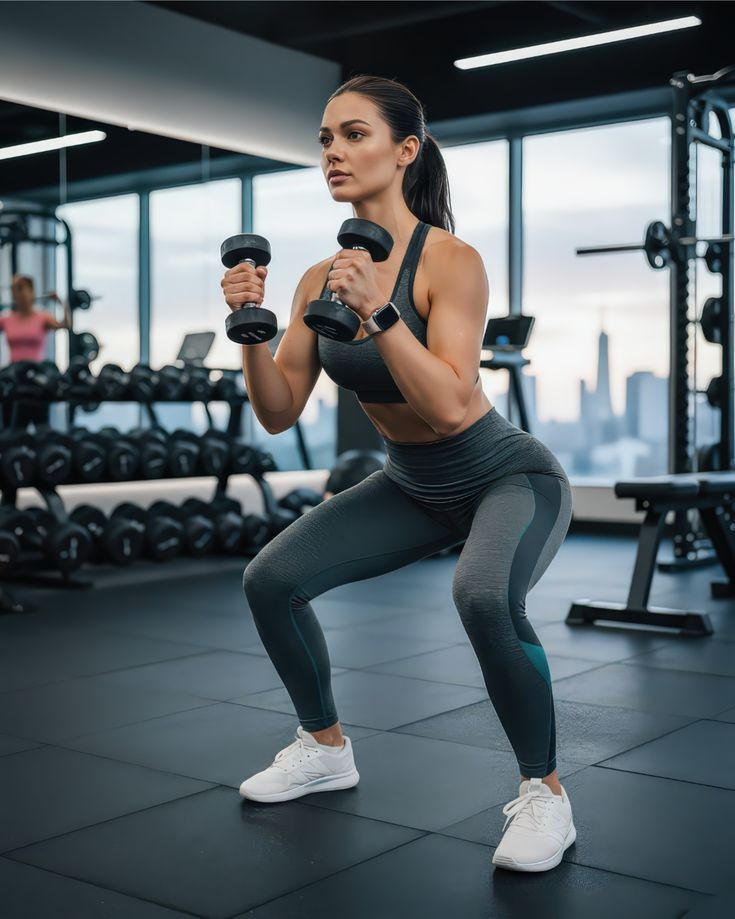
- Muscular strength: The amount of force your muscles can produce. Strength training like push-ups, squats, and weightlifting increases muscle power.
- Muscular endurance: The ability of muscles to perform repeated actions without fatigue. High-repetition exercises help build endurance.
- Flexibility: The range of motion in joints and muscles. Stretching and yoga enhance flexibility and reduce injury risk.
- Body composition: The balance of lean muscle and fat in the body. Maintaining a healthy composition improves overall fitness.
Benefits of Regular Exercise
Exercise offers countless physical and mental benefits. It strengthens the heart, improves blood circulation, and boosts metabolism. Regular activity helps regulate body weight and reduces the risk of chronic diseases like heart disease, diabetes, and high blood pressure.
Exercise also strengthens muscles and bones, improving posture and stability. Strong muscles support the joints, lowering the risk of injuries.
Mentally, exercise reduces stress and anxiety. It triggers the release of endorphins, natural “feel-good” chemicals, which improve mood and promote relaxation. People who exercise regularly often experience better sleep quality, increased energy, and improved focus.
Home Workouts for Full-Body Fitness
You don’t need a gym to stay fit. Many effective workouts can be done at home:
- Push-ups: Strengthen chest, shoulders, arms, and core.
- Squats: Target thighs, hips, and glutes while improving balance.
- Lunges: Strengthen legs and improve coordination.
- Planks: Engage core muscles and improve posture.
- Jumping jacks: Boost cardiovascular fitness and burn calories.
A simple routine combining these exercises can create a full-body workout suitable for beginners and advanced users alike.
Cardio Workouts for Fat Loss
Cardiovascular exercises increase heart rate and burn calories. Activities like jogging, running, cycling, and skipping rope improve endurance and help shed excess fat.
High-Intensity Interval Training (HIIT) is an effective way to burn fat quickly. HIIT alternates short bursts of intense activity with brief rest periods, maximizing calorie burn in less time.
Strength Training for Muscle Development
Strength training is essential for building muscle, increasing metabolism, and improving body composition. Bodyweight exercises, dumbbells, and resistance bands are effective tools for strength development.
Regular strength training improves muscle tone, increases energy expenditure, and enhances overall physical performance. Training different muscle groups on separate days allows recovery and optimal growth.
Nutrition for a Healthy Lifestyle
Proper nutrition fuels workouts, supports recovery, and enhances overall health. A balanced diet includes:
- Carbohydrates: Provide energy for exercise. Sources: oats, whole grains, fruits, vegetables.
- Protein: Repairs and builds muscle. Sources: eggs, chicken, fish, lentils, yogurt.
- Healthy fats: Support hormone balance and overall health. Sources: nuts, seeds, avocados, olive oil.
- Vitamins and minerals: Fruits and vegetables provide essential nutrients for immunity and overall well-being.
Hydration is also critical. Water helps regulate body temperature, supports digestion, and improves exercise performance. Adults should aim for at least 2–3 liters daily, more during exercise or hot weather.
Importance of Rest and Recovery
Rest allows the body to repair muscles and recover from workouts. Lack of recovery can lead to fatigue, injuries, and decreased performance. Sleep is especially important; adults should aim for 7–9 hours per night.
Building Long-Term Healthy Habits
Fitness is a lifelong journey. Small, consistent changes can lead to significant results over time. Setting realistic goals, tracking progress, and staying consistent are key to long-term success. Even minor daily improvements, like adding a 20-minute walk or eating more vegetables, can make a huge difference.
Conclusion
Fitness and healthy living require a balanced approach that combines exercise, proper nutrition, hydration, rest, and consistency. By making these habits a part of daily life, anyone can build a stronger body, improve energy levels, and enjoy a happier, healthier lifestyle.