






Running a small business comes with opportunities, but it also comes with risks. A customer could slip and fall at your business location, a contractor could accidentally damage someone’s property, or your business could face a lawsuit over an alleged injury or other covered claim. Even when a business owner believes they did nothing wrong, defending a claim can become expensive.
That is where general liability insurance for small businesses can play an important role.
General liability insurance is designed to help protect businesses against certain third-party claims involving bodily injury, property damage, and other covered liabilities. For many small businesses, it is one of the foundational types of commercial insurance to consider.
However, choosing the right policy is not simply about finding the cheapest premium. Business owners need to understand coverage limits, exclusions, deductibles, industry risks, and policy requirements before making a decision.
This guide explains how small business liability insurance works, what it may cover, what it generally does not cover, and how to compare business insurance options.
What Is General Liability Insurance?
General liability insurance, sometimes called commercial general liability insurance, is coverage designed to protect a business from certain claims made by third parties.
For example, imagine a customer visits a retail store and slips on a wet floor. If the customer claims the business was responsible for the accident and seeks compensation, a general liability policy may provide coverage for eligible expenses, subject to the policy terms, limits, and exclusions.
Similarly, if a business accidentally damages property belonging to a customer or another party, general liability coverage may respond to a covered claim.
The exact protection depends on the policy. Business owners should always review their policy documents rather than assuming every accident or lawsuit is covered.
What Does General Liability Insurance Cover?
Although coverage varies between policies and insurers, general liability insurance commonly addresses several major categories of risk.
1. Bodily Injury Claims
A business may face a claim if someone who is not an employee is injured because of an incident connected to the business.
Examples can include:
- A customer slipping inside a store
- A visitor being injured at a business location
- A client being injured during certain business activities
- A third party alleging that the business caused an injury
Depending on the circumstances and policy terms, liability insurance may help with covered legal defense costs and eligible damages.
2. Property Damage
Businesses can sometimes accidentally damage property belonging to another person or company.
For example, a contractor may accidentally damage a customer’s flooring while performing work. A general liability policy may respond to an eligible property-damage claim according to the policy terms.
3. Personal and Advertising Injury
Some general liability policies also include coverage for certain types of personal and advertising injury.
This category can involve allegations such as:
- Certain forms of libel or slander
- Certain privacy-related offenses
- Certain advertising-related claims
- Other offenses specifically described in the policy
Because definitions and exclusions can vary, business owners should carefully review the policy language.
4. Legal Defense Expenses
One of the major concerns for a small business facing a lawsuit is the cost of responding to the claim.
Depending on the circumstances, a liability policy may provide defense-related protection for covered claims. The way defense costs are handled can vary by policy, so understanding the coverage structure is important.
What Does General Liability Insurance Usually Not Cover?
General liability insurance is valuable, but it is not designed to cover every possible business risk.
Common exclusions or separate insurance needs may include:
Employee Injuries
Injuries to employees are generally handled through workers’ compensation insurance rather than standard general liability coverage, subject to applicable laws and policy requirements.
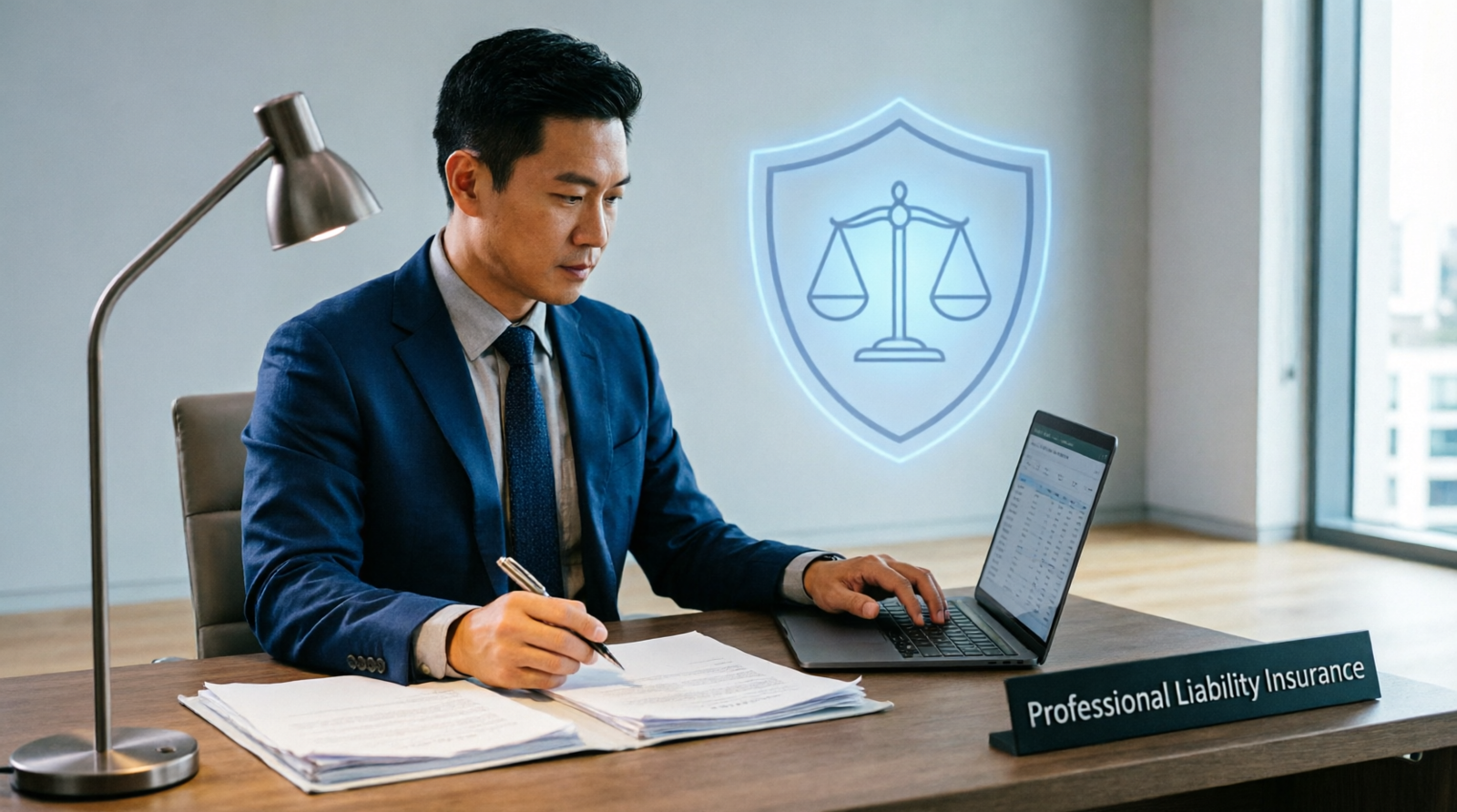
Professional Errors
A consultant, accountant, designer, engineer, or other professional could face a claim alleging that their advice or professional service caused financial harm.
These risks may require professional liability insurance, sometimes known as errors and omissions insurance.
Business-Owned Vehicles
Accidents involving vehicles used for business purposes may require commercial auto insurance rather than general liability insurance.
Intentional Acts
Insurance generally does not exist to provide protection for intentional wrongdoing or deliberately caused losses.
Certain Environmental Risks
Businesses exposed to pollution or environmental liabilities may require specialized insurance because standard general liability policies can contain significant pollution-related exclusions.
This is why business owners should consider their entire risk profile instead of purchasing a single policy and assuming they are fully protected.
Who Needs General Liability Insurance?
General liability insurance can be relevant to businesses across many industries.
Potential examples include:
- Retail stores
- Restaurants
- Contractors
- Construction businesses
- Cleaning companies
- Landscaping companies
- Repair businesses
- Real estate businesses
- Event businesses
- Manufacturers
- Wholesalers
- Salons and personal-service businesses
- Small professional businesses
The right coverage depends on what the business does, where it operates, who it serves, and what risks it faces.
Some landlords, customers, vendors, or commercial partners may also require a business to maintain liability insurance before entering into a contract.
How Much Does General Liability Insurance Cost?
There is no single price that applies to every small business.
Insurance companies typically consider multiple factors when evaluating a business for coverage. Two businesses with the same number of employees can have very different premiums if they operate in different industries or face different levels of risk.
Factors that may influence the cost include:
- Type of business
- Location
- Annual revenue
- Payroll
- Number of employees
- Claims history
- Coverage limits
- Deductible structure
- Business operations
- Use of subcontractors
- Previous insurance history
- Industry-specific risks
A construction contractor, for example, may face different risks from an online consulting business.
Instead of focusing only on the lowest advertised price, business owners should compare the coverage being offered for that price.
General Liability Insurance Coverage Limits
Coverage limits are another important consideration when comparing policies.
A policy may have different limits that apply to individual claims and the total amount payable during a policy period. The appropriate limits depend on the business’s operations and risk exposure.
A small business that works directly with customers, enters customer properties, handles valuable equipment, or signs contracts with larger companies may have different insurance requirements from a home-based business.
Some clients or commercial landlords may also specify minimum liability limits in their contracts.
Before selecting a policy, review contractual insurance requirements carefully.
How to Compare Small Business Liability Insurance Quotes
Getting multiple quotes can help business owners understand the available options.
However, comparing quotes requires more than looking at the premium.
Step 1: Describe Your Business Accurately
When requesting a quote, provide accurate information about your business operations.
Explain:
- What products or services you provide
- Where you operate
- Who your customers are
- Whether you work at customer locations
- Whether you use employees or subcontractors
- Whether you own or lease commercial property
Incorrect information can create problems if a claim occurs.
Step 2: Compare Coverage Limits
Make sure you understand the limits offered by each policy.
A lower premium may come with lower limits or different coverage terms.
Step 3: Review Exclusions
Exclusions can be just as important as covered risks.
Read the policy carefully to understand which situations are excluded or restricted.
Step 4: Check the Deductible
The deductible represents an amount the business may be responsible for before certain insurance benefits apply.
A higher deductible can sometimes affect premium costs, but the business must be comfortable with the amount it may need to pay when a covered loss occurs.
Step 5: Consider Additional Coverage
General liability insurance may be only one part of a business insurance program.
Depending on the business, additional coverage could include:
- Commercial property insurance
- Professional liability insurance
- Commercial auto insurance
- Workers’ compensation insurance
- Cyber insurance
- Business interruption coverage
- Equipment coverage
General Liability vs. Professional Liability Insurance
These two types of insurance are often confused.
General liability insurance primarily addresses certain third-party claims involving things such as bodily injury, property damage, and personal or advertising injury.
Professional liability insurance is generally designed around claims alleging that professional services, advice, or work caused a financial loss.
For example, a client slipping at a consultant’s office could potentially involve a general liability issue, while a client alleging that incorrect professional advice caused financial damage could potentially involve professional liability coverage.
Some businesses may need both.
General Liability Insurance vs. a Business Owner’s Policy
A Business Owner’s Policy (BOP) can combine certain types of business insurance into one package.
Depending on the insurer and policy, a BOP may combine general liability coverage with commercial property coverage and potentially other protections.
This can be convenient for qualifying small businesses, but eligibility and coverage options vary.
Business owners should compare the actual protections, exclusions, limits, and costs rather than choosing a policy solely because it is packaged.
What Is a Certificate of Insurance?
A Certificate of Insurance (COI) is a document that provides evidence of certain insurance coverage.
A customer, landlord, general contractor, or business partner may request a certificate to verify that a company maintains required insurance.
For example, a contractor may be asked to provide proof of liability insurance before starting work at a commercial property.
A certificate is generally evidence of coverage; it is not a replacement for the actual insurance policy.
How to Reduce Business Liability Risks
Insurance is only one part of managing business risk.
Small businesses can also take practical steps to reduce the likelihood of claims.
Maintain Safe Workplaces
Keep business locations clean, organized, and reasonably safe for customers, employees, and visitors.
Document Business Procedures
Written safety procedures and operational policies can help employees understand expectations.
Train Employees
Appropriate employee training can reduce preventable mistakes and improve consistency.
Maintain Equipment
Regular maintenance can reduce the risk of accidents caused by defective or poorly maintained equipment.
Use Written Contracts
Clearly written agreements can help establish responsibilities between businesses and customers, vendors, and contractors.
Keep Good Records
Maintain important contracts, invoices, incident reports, maintenance records, and insurance documents.
Good documentation can become valuable when responding to disputes or insurance claims.
Common Mistakes When Buying Business Liability Insurance
Choosing Only Based on Price
The cheapest policy is not necessarily the best value.
A policy with inadequate limits or significant exclusions may leave a business exposed to risks it expected to be insured against.
Underestimating Business Growth
As revenue, employees, locations, or operations expand, insurance needs may change.
Review coverage periodically rather than assuming the original policy will always be sufficient.
Failing to Read Exclusions
Business owners sometimes focus heavily on what a policy covers while overlooking what it excludes.
Understanding exclusions is essential.
Not Updating the Insurer
If a business changes its operations, adds locations, starts selling new products, or takes on substantially different work, the insurer may need updated information.
Ignoring Contract Requirements
Some customers, landlords, and business partners require specific insurance limits or endorsements.
Review contractual requirements before signing agreements.
How Often Should a Small Business Review Its Insurance?
Insurance should be reviewed whenever there is a significant change in the business.
Examples include:
- Hiring more employees
- Opening another location
- Buying expensive equipment
- Adding new services
- Entering a new market
- Purchasing business vehicles
- Signing major contracts
- Experiencing a significant claim
- Increasing annual revenue
An annual insurance review can also help identify changes that may have occurred during the previous policy period.
Frequently Asked Questions
Is general liability insurance required for every small business?
Not necessarily. Requirements can depend on the business type, location, contracts, leases, lenders, and applicable regulations. Even when it is not legally required, some businesses choose liability insurance to help manage financial risks.
Is general liability insurance the same as business insurance?
No. Business insurance is a broad term that can include several different types of coverage. General liability is one specific category of business insurance.
Can a home-based business need liability insurance?
Yes. A homeowners or renters policy may not provide all the protection needed for business activities. Home-based business owners should discuss their operations with an insurance professional to determine whether additional coverage is appropriate.
Do contractors need general liability insurance?
Many contractors carry general liability insurance because their work can expose them to third-party injury and property-damage claims. Contractual requirements may also make coverage necessary.
Can I change my business insurance after purchasing a policy?
Depending on the policy and insurer, coverage can often be modified when business circumstances change. Contact the insurer or licensed insurance professional before making important changes.
What is the difference between liability insurance and property insurance?
Liability insurance generally addresses certain claims made by third parties against a business, while property insurance generally addresses covered damage to business property. Some policies can combine these protections.
Final Thoughts
General liability insurance can be an important part of a small business risk-management strategy. It may help protect a company from certain costly third-party claims involving bodily injury, property damage, and other covered liabilities.
However, the right policy depends on the individual business.
Before choosing coverage, compare quotes carefully, review limits and exclusions, consider contractual requirements, and evaluate whether additional policies such as professional liability, commercial auto, workers’ compensation, or property insurance may be necessary.
The goal should not simply be to find the cheapest business insurance policy. The goal is to find coverage that appropriately matches the risks and responsibilities of the business.
For that reason, small business owners should review their insurance needs regularly and seek advice from a qualified insurance professional when they need help interpreting specific coverage requirements.